


Extensive Range
Choose from our huge range of loose leaf teas, carefully selected from around the world
Up to 30% Bulk Discounts
Save up to 30% when you order multiple items. More information
Freshly Packed to Order
Our teas are carefully packed to order to preserve aroma, freshness, and flavour
Offering up complex flavours, a subtle sweetness and a lovely crisp bitterness, Ceylon Orange Pekoe is well-balanced and can be enjoyed all through the day. Made from golden-tipped Pekoe leaves, this is best served as a black tea, but can also be enjoyed with a drop of milk.
Ingredients
Black Ceylon Tea
Allergens
While we try to keep to the strictest standards in our treatment of allergens, please be aware that our factory handles nuts, milk and soy ingredients. Please check our ingredients lists for specific information on each tea.
Your Guide to Ceylon Orange Pekoe Tea
Ceylon Orange Pekoe tea is a high-quality whole leaf tea sourced from the leaves of the Camellia sinensis tea plant, which is found in the highlands of Sri Lanka.
The Orange Pekoe category of tea grade is one of the highest black tea grades available, gaining its renowned status from the characteristic wholeness of the leaves, which are obtained during the first flushes, or pickings, of the season.
Whole Orange Pekoe tea leaves are lighter and more delicate than their broken counterparts, known as broken Orange Pekoe or BOP, and it is this wholeness that contributes to the tea’s much-loved complex flavours and delicate aromas.
You can learn more about tea grading with our helpful guide.
Best served as a black tea, Ceylon Orange Pekoe loose leaf tea offers sweet, subtle flavours and a crisp bitterness.
Sections
- The History of Ceylon Orange Pekoe Tea
- Health Benefits of Orange Pekoe Tea
- How Ceylon Orange Pekoe Tea Is Produced
- Types of Orange Pekoe Tea
- Reviews of Ceylon Orange Pekoe
- FAQs
The History of Ceylon Orange Pekoe Tea
Contrary to what might be expected, Orange Pekoe tea is not an orange-flavoured tea but rather a high-quality, whole leaf black tea that is commonly sourced from Sri Lanka, which was historically known as Ceylon during British rule until 1948.
It is believed that 19th-century British tea magnate Sir Thomas Lipton first popularised the term Orange Pekoe, the true origin of which is still open to speculation.
It is generally thought that the orange in Orange Pekoe refers to the historical Dutch royal House of Orange and its links to the Dutch East India Company’s tea exports in the 17th and 18th centuries.
The origin of Pekoe is more curious, but it is generally believed to stem from a mispronunciation of the Amoy dialect word for a Chinese tea referred to as white down, an allusion to the fine white hairs that cover the Orange Pekoe leaf shoots.
Orange Pekoe is now part of the grading system applied by the Western tea trade, used to specify size categories of whole loose leaf black teas. In this system, whole Orange Pekoe leaves receive the highest grades for their size, delicacy and well-balanced, full flavours.
Health Benefits of Orange Pekoe Tea
Ceylon Pekoe tea is high in antioxidants and potassium, which can help relax tension in blood vessels and arteries. It is also rich in flavonoid compounds, which may help combat risk factors for heart disease such as high blood pressure and high cholesterol.
How Ceylon Orange Pekoe Tea Is Produced
Ceylon Orange Pekoe is sourced from the highlands of Sri Lanka and made from the fine, dried leaves of the Camellia sinensis plant. These thin, fine leaves are carefully handpicked during the first flush, which is the first picking in a tea harvest season. In order to be classed as a Pekoe tea, the leaves must be picked during this first flush, which many consider the best period for harvesting tea leaves.
Leaves picked during the first flush are said to contain more delicate, complex flavours than leaves picked during the second flush, as well as more nutrients and antioxidants.
Orange Pekoe falls into the highest category of the grading system usually applied to black teas, particularly those from countries such as India, Indonesia and Sri Lanka. In this system, Orange Pekoe is identified as a high-quality, whole loose leaf tea, separate from broken and fannings grades such as Broken Orange Pekoe, and is known for yielding a higher concentration of aromatic oils.
Types of Orange Pekoe Tea
Orange Pekoe tea may be identified by its sub-group grading, which ranges from whole leaf teas such as OP, Flowery Orange Pekoe and Golden Flowery Orange Pekoe, to broken, fannings and dust grades. It is the higher-graded whole loose leaf Orange Pekoe teas that are generally celebrated as the most fully flavoured.
Orange Pekoe tea may be sourced from leaves grown in Sri Lanka or India. The Sri Lankan leaves that make Ceylon Orange Pekoe tea are golden-tipped Pekoe leaves, known as a high-quality whole leaf tea that displays the characteristic delicate flavours and subtle aromas of Orange Pekoe.
Castleton FTGFOP Darjeeling Tea, made from golden Orange Pekoe leaves, is a delicious and delicate tea, while Soom TGFOP First Flush Darjeeling and Margaret’s Hope TGFOP Darjeeling, both sourced from Darjeeling in India, are made from flowery Orange Pekoe leaves that offer complex, rich bouquets and a muscatel character.
Ceylon BOP Tea and Kenya Milima GFOP Black Tea are fine examples of floral, full-bodied broken Orange Pekoe tea, while Nonsuch BOP Nilgiri Black Tea is a South India tea made from broken Orange Pekoe leaves.
Reviews of Ceylon Orange Pekoe
Here’s what some customers are saying about the unique characteristics of Ceylon Orange Pekoe tea.
Ceylon Orange Pekoe Tea
Offering complex flavours, a subtle sweetness and a crisp bitterness, Ceylon Orange Pekoe is well-balanced and can be enjoyed throughout the day. Made from golden-tipped Pekoe leaves, it is best served as a black tea, but can also be enjoyed with a drop of milk.
“Superbly delicious tea which I enjoy with a touch of milk. Excellent any time of day on its own, with or to finish a meal. 100% recommend this tea and supplier.”
“This is a good quality tea. I don't usually drink Ceylon Orange Pekoe but this has been an eye-opener for me. Great flavour tea.”
“A superb tea. Very high quality leaves with no dust. Strong flavour that is perfect for any time of the day.”
FAQs
What does Orange Pekoe taste like?
Rather than being orange-flavoured or scented, Ceylon Orange Pekoe tea is actually a light and delicate tea that offers sweet and fruity flavours characteristic of Sri Lankan teas. These are combined with a crisp bitterness that highlights the freshness of this first flush whole leaf tea.
The younger leaves that are picked and prepared whole for Orange Pekoe also usually contain high concentrations of aromatic oils, which contribute to the floral aromas characteristic of this well-loved Sri Lankan tea.
How should I prepare Orange Pekoe loose leaf tea?
As with other black teas, Ceylon Orange Pekoe loose leaf tea should be prepared using freshly boiled water. Filtered tap water or bottled spring water are the best options. For the best results, preheat your teapot and cup by rinsing them with hot water. Then use 2 to 3 grams of tea leaves for every 230 ml of water and allow the leaves to steep for 4 to 6 minutes so that the complex and delicate flavours can be released.
Ceylon Orange Pekoe is best served as a black tea, but you can also add a drop of milk for extra fullness, or even a small amount of honey.
Where can I buy the best Orange Pekoe tea?
If you’re looking for high-quality Orange Pekoe loose tea, Ceylon Orange Pekoe made from golden-tipped Pekoe leaves is known for showcasing subtle sweet flavours and a crisp finish.
We deliver across the UK and to selected EU countries using Royal Mail. Available delivery options and charges are shown at checkout. Our standard delivery service takes 1–2 working days.
Some third-party supplied products may have different delivery times and costs, which will be clearly shown at checkout.
Some equipment may be shipped directly from the manufacturer. Where this applies, full delivery details will be provided at checkout.
All of our teas remain fresh unopened for up to 12 months.
Highly praised large-leaf tea with "excellent flavour" and "refreshing" taste. Customers love the quality, fragrance, and golden colour. Some found it "too weak" or preferred stronger brews. Noted for being dust-free with "satisfyingly flavoursome" character. A few concerns about 1kg packaging versus smaller sealed packets.
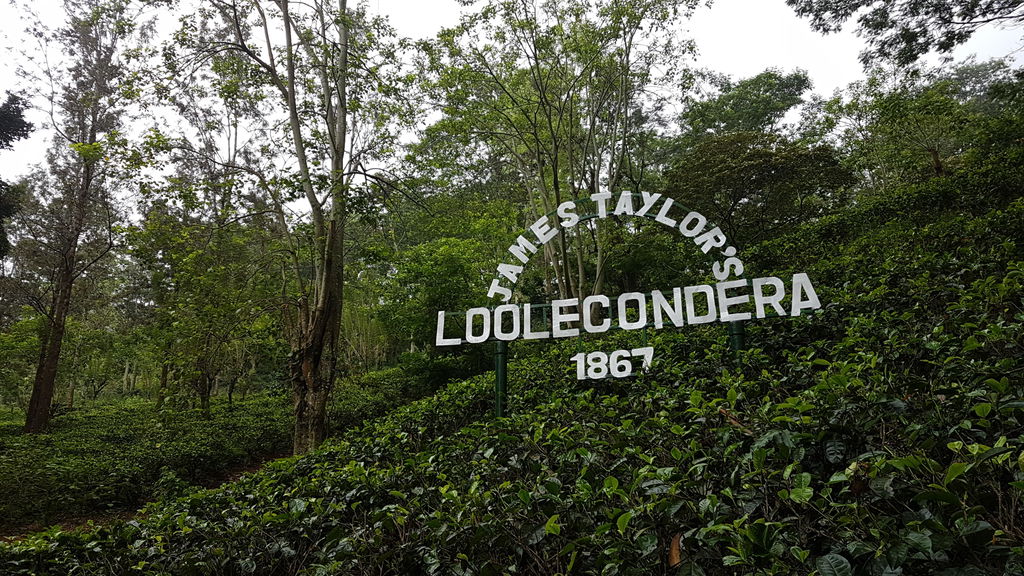
I love teas, and keep a selection. However, the Ceylon Orange Pekoe is our 'house' tea, the go-to tea throughout most of the day. Satisfyingly flavoursome, and yet light and refreshing, it gets me through my writing day. When I wrote a book about the history of tea, I visited Loolecondera Estate in Sri Lanka - where Scotsman James Taylor founded Ceylon's first tea estate in 1867. Tea Direct's Orange Pekoe transports me back to that memorable visit.
Firstly I did not know that this tea is the first shoots from the bush after a visit to a tea plantation in Malaya. This is why we ordered it and we very much enjoy it as we have for all your teas ( ps we found you during the fist lockdown in 2020 and have continued with you)
A really satisfying tea with a great character
Hopefully all will be good - we haven't opened it yet as we still have some of the old stuff to finish.
Only concern was that it came in a 1kg bag - what we ordered. Previous suppliers have sent e. g. , 5x 200g packets so that one may open just one at a time and store the rest sealed.
I didn't like this one personally, too weak for my taste. Needed 2 teaspoons per person my bad choice I like a stronger leaf
Pretty good. A bit more orange next time perhaps?
Excellent tea and full of flavour
Nice flavour but could be stronger !
Perfect cup of tea. No complaints.
Excellent loose leaf tea, great flavour
A very fragrant orange pekoe tea with a good flavour and strength. . . wonderful as the first cup of the day.
My wife is enjoyed a particular tea which is now finished trading. We were delighted to find your site and your excellent tea. We are grateful for your service and help.
This tea is very pleasant and enjoyable
Excellent service and the speedy arrival of my favourite tea. I live in a very remote area and online is the only way to get any special things, so to get such quick delivery of this exceptional tea was a real treat.
Delivery was prompt
The Tea is terrific ☆☆☆☆☆
Well priced
Thoroughly Recommended
Excellent tea. Mild and full of flavour. Good colour, no dust. Delighted with purchase and will order again.
Excellent value and a great taste. Will definitely be buying this again
This team makes a very elegant brew paler in colour flavoursome and fragrant
The tea is good with a nice flavour, it make a change from regular English Breakfast.
Brilliant tea. My favourite of all the teas I have tried. I used to like best, the chocolate spice but this Ceylon orange tea, even beats that, which I find amazing.
My go-to for the rest of the day. Yes, a super tea snob!
Great tea in nice packaging that arrived when I needed it.
My favourite everyday tea
An interesting tea which is quite bold but seems to have layers of flavour.
Nice quality and good flavoured, large leaf, Celon tea.
Love the flavour excellent quality will be buying more, thank you.
Love the flavour
Lovely high quality tea
A top quality tea, one of our favourites
Very good tea. Arrived quickly after ordering.
Great quality tea with lovely flavour. My favourite tea!
Quality teas, every time. I enjoy gifting them to friends.
This is excellent tea with a lovely taste for an afternoon cuppa. I've used it in the tea bags sold by Tea-Direct and it is very refreshing.
Three very different teas in terms of leaf size and strength. The Assam is a firm favourite as an almost standard good quality English tea. The Ceylon, per unit volume, requires more time to infuse to come good, but it does so. The Kenyan is now OK after some initial adjustments to quantity in the infuser and milk requirement.